
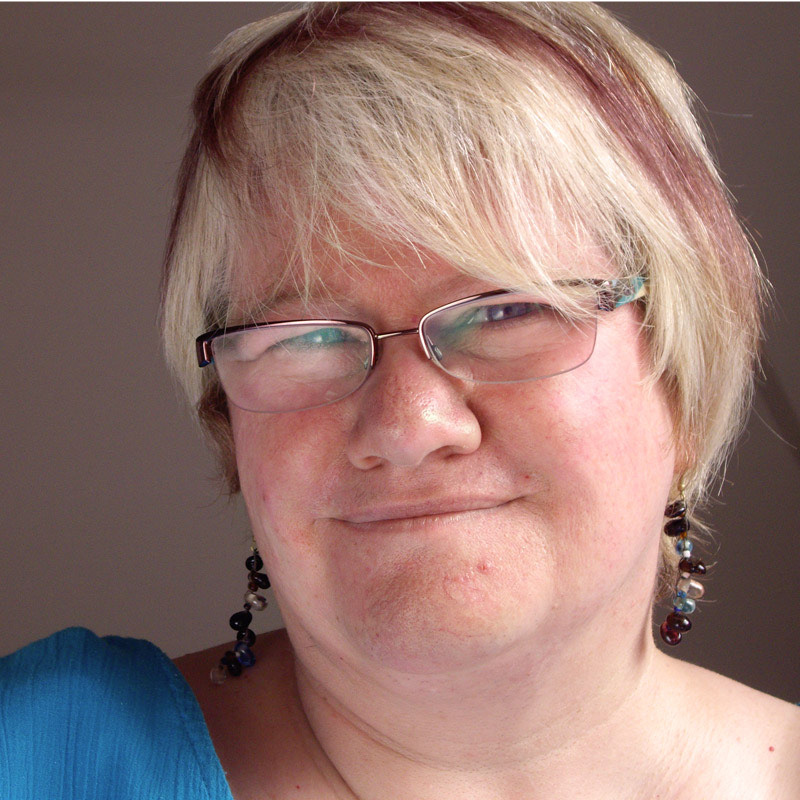
Kay Steven
Category Culture
I help organisations by working with senior leaders and managers to enhance emotional intelligence so they’re able to lead and build healthy and resilient teams to have a positive impact on productivity and create efficiencies.
My work is influenced by my experience of and recovery from burnout. I re-entered the workplace as a mental health social worker and went onto lead and deliver regional and national change and improvement projects in the public and charitable sectors in the fields of dementia care and mental health. In my work I adopt a strength-based and systemic approach to people, teams and the wider organisation.
Senior managers and individuals who work with me sense that things could be better but aren’t quite sure what to do next. I work with them to describe and clarify what work and life might be like, beyond this feeling. For example, I worked with the CEO and Senior Leaders of a charity to facilitate an effective transition to the next phase of organisational growth. This included coaching advanced practitioners to take on new management responsibilities. I conducted semi-structured interviews including questions about what they thought of their job and what it was like to work in the organisation. I listened to their concerns and ideas. I used the information to co-design coaching sessions which included reframing tools, managing boundaries, understanding and minimising the impact of imposter syndrome, managing personal triggers and stress in the workplace and moving from feeling stuck into momentum. I also used the learning to identify useful practice and areas for improvements to wellbeing. The organisation developed a proactive approach to wellbeing.
Feeling stuck is a common experience for individuals and in organisations. Common contributory factors to this stuckness can be reflected in the mental well-being of staff. Some staff are upfront about their wellbeing, others less so and certain changes in behaviours provide clues to what is going on. This can include undisclosed reasons for regular short-term absences, disproportionate responses (angry outbursts, blaming, uncontrollable crying) to feedback on work tasks or interactions with co-workers. Individuals experiencing burn out, stress or overwhelm may shut down (flight mode) no matter how much colleagues reach out to them. These behaviors lead to poor working relationships and poor work flow and may lead to staff going on long-term sick leave. If this happens, colleagues are often left in a state of limbo with an increased work load and extra stress. There are financial implications too – sick leave to be paid for and potential additional recruitment costs.
Wellbeing Leads and Senior Managers will recognise some or all of these symptoms and will initiate support and provide solutions, mostly at an individual level. In some cases this approach does the job – the individual makes a successful return to work. I advise another approach – a systems approach. A systemic approach can benefit the individual and the organisation. The individual still receives appropriate support whilst Senior Managers look at the systems around individuals and teams. Senior Managers invest time in completing a diagnostic and identify potential improvements to working practices, processes and conditions. Once implemented these improvements can benefit individuals, team working and lead to improved productivity and financial efficiencies.
Specialisms
- Working with senior leaders and managers to enhance emotional intelligence so they’re able to strengthen team work and increase productivity.
- Creating safe spaces to enable and facilitate difficult conversations to improve communication in teams and to build a healthy working environment
- Coaching women to recognise and value their skills and working style to act with confidence in the work place – improving retention of women in their chosen industry
- Coaching senior leaders to facilitate an effective transition to the next phase of organisational growth
- Coaching senior leaders to develop a systemic approach to wellbeing to improve individual job satisfaction and team work, reduce absenteeism and improve staff retention
- Bespoke and co-created wellbeing workshops on proactive approaches to looking after your mental health including how to manage stress and recognise and dealing with the signs of burnout
- 1:1 coaching for individuals to enable a sustainable return to work after long term sickness.
- Masters in Voluntary Sector Studies
I am looking to work with Heads of Human Resources and Wellbeing who want to support senior managers to take a proactive approach to preventing stress and burnout so that staff receive timely support and so that organisations build a reputation for having an open and supportive culture.
If that’s you then please message me through the contact form below to arrange a discussion.
